Why Cervical Spine Injuries Are So Common After a Traumatic Brain Injury (TBI)
After a concussion, neck injuries are common and can worsen symptoms if untreated. This blog explains how the cervical spine is affected, common warning signs, and why proper care in Kansas City is key to a full recovery.
Lance Stevenson, DC
3/19/20262 min read
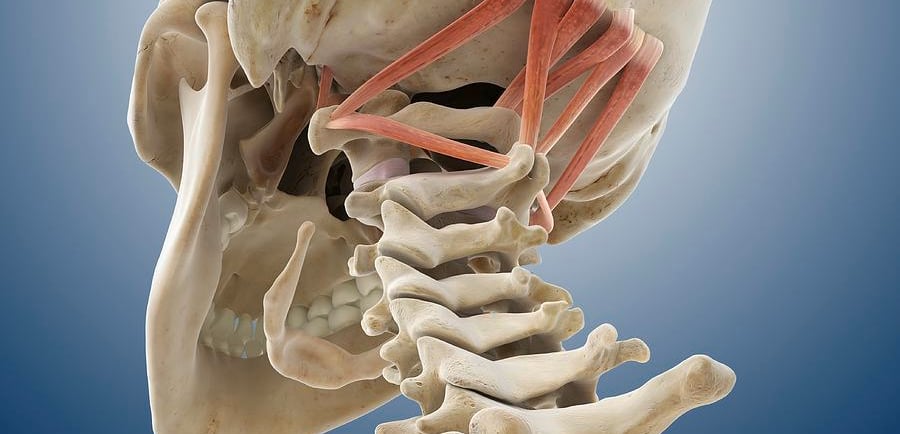
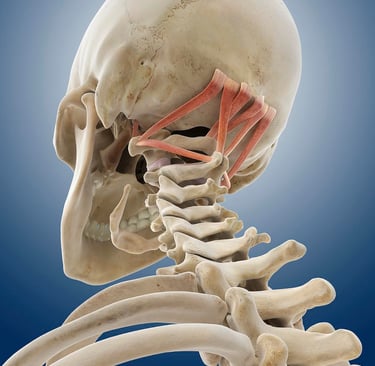
Why Cervical Spine Injuries Are So Common Along with a Traumatic Brain Injury
When someone suffers a traumatic brain injury (TBI), especially from an auto accident or sports impact, many people focus only on the brain itself. But in Kansas City, we see a consistent pattern: cervical spine injuries often accompany concussions and TBIs. Understanding this connection is critical for proper diagnosis, treatment, and long-term recovery.
The Anatomy of Injury: Why the Neck Is at Risk
The cervical spine, made up of the top seven vertebrae in your neck, is highly mobile—but that mobility also makes it vulnerable. When the head is rapidly whipped forward, backward, or sideways (as in a car crash or fall), the brain shifts inside the skull, and the neck absorbs much of the force.
This is why in Kansas City car accident victims, we often see both concussions and whiplash-type injuries at the same time.
Biomechanics: How TBI and Neck Trauma Happen Together
A concussion or TBI typically occurs when:
The brain hits the inside of the skull due to a sudden stop or impact
The force causes shearing and stretching of neurons
At the same time, these same forces:
Strain the soft tissues of the neck
Shift or misalign the cervical vertebrae
Irritate the spinal cord or cervical nerve roots
This explains why patients often experience:
Headaches
Dizziness
Neck pain
Brain fog
Visual tracking problems
These symptoms can overlap, making it hard to distinguish between brain-based and neck-based problems without a thorough evaluation.
Why You Can’t Ignore the Neck in TBI Recovery
Neglecting the cervical spine during concussion care can delay recovery or lead to persistent post-concussion symptoms (PPCS). Cervical spine dysfunction can:
Disrupt blood flow to the brainstem
Contribute to balance and visual problems
Worsen headaches and brain fog
Aggravate the autonomic nervous system
In fact, some patients are misdiagnosed with lingering concussion symptoms when the root issue is a mechanical problem in the neck.
Kansas City’s Leader in Concussion and Spine Care
At our Kansas City clinic, we specialize in identifying and treating both brain injuries and the spinal issues that often come with them. We work with patients from Lee’s Summit, Overland Park, North Kansas City, Raytown, and other surrounding areas to provide:
Concussion testing and neurological evaluation
Cervical spine assessment and targeted rehab
Integrated care that supports both brain and body recovery
If you’ve had a concussion or car accident and still feel off, your neck may be the missing piece. Call Dr. Lance Stevenson at 816-226-7476 to schedule a comprehensive evaluation today.
Been in an Accident? Start Here.
Call us today for a free consultation or with any questions.
Expert Personal Injury Care
Whiplash Chiropractor in Kansas City
Lance@ChiroKC.com
816-226-7476
© 2026 Lance Stevenson, DC, LLC. All rights reserved.
Disclaimer: The content provided on this page is for informational and educational purposes only and is not intended as a substitute for professional medical, legal, or insurance advice. While every effort is made to provide accurate and up-to-date information, it should not be relied upon as the sole basis for decisions regarding your health, legal matters, or insurance claims. Please consult with your healthcare provider, attorney, insurance company, or other relevant professionals for personalized guidance tailored to your specific situation.
1010 Carondelet Dr., Suite 416
Kansas City, MO 64114