How the Sternocleidomastoid (SCM) Muscle Can Worsen Post-Concussion Symptoms in Kansas City Patients
Concussion doctor in Kansas City for personal injury.
Lance Stevenson, DC
1/1/20263 min read
How the Sternocleidomastoid (SCM) Muscle Can Worsen Post-Concussion Symptoms in Kansas City Patients
If you're still feeling dizzy, foggy, or sensitive to motion long after a concussion or car accident, the problem might not be “just in your head.” In fact, one of the most overlooked sources of post-concussion symptoms is a tight, irritated neck muscle called the sternocleidomastoid — or SCM.
At our Kansas City auto injury clinic, Dr. Lance Stevenson, DC helps patients recover from persistent post-concussion syndrome (PCS) by identifying hidden musculoskeletal contributors like SCM dysfunction that interfere with the brain’s healing.
What Is the SCM Muscle?
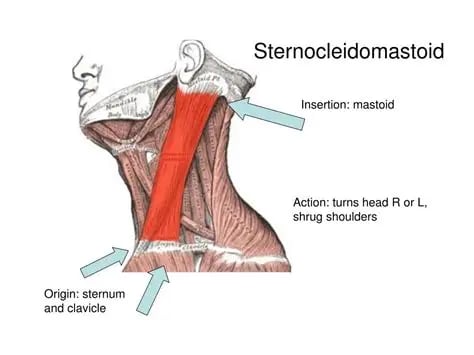
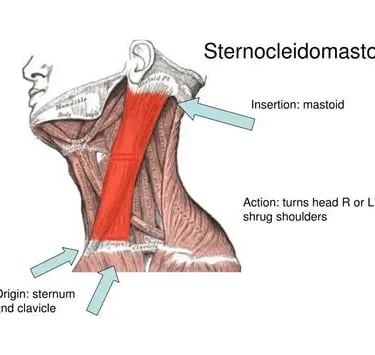
The sternocleidomastoid (SCM) is a large, rope-like muscle that runs from:
The base of the skull (mastoid process)
Down to the collarbone (clavicle) and sternum
You have one SCM on each side of your neck. These muscles:
Turn and tilt the head
Assist with neck flexion and posture
Play a role in head stabilization and coordination
Are rich in proprioceptors, sending info to the brain about head position
But after a concussion, whiplash, or car accident, the SCM can become tight, overactive, or inflamed — and that’s where problems begin.
How SCM Dysfunction Triggers Post-Concussion Symptoms
When the SCM becomes dysfunctional, it can create a domino effect on your nervous system, leading to:
🔁 Dizziness & Disequilibrium
Tight SCMs can send confusing proprioceptive signals to the brainstem, conflicting with input from your vestibular (inner ear) and visual systems. This mismatch can cause:
Dizziness when turning your head
Motion sensitivity in crowds or cars
Feeling unsteady or “off” when walking
💢 Headaches and Neck Pain
SCM trigger points refer pain to the forehead, behind the eyes, or around the ears, mimicking tension or migraine headaches.
👁️ Visual Disturbances
Because the SCM affects head-eye coordination, dysfunction can lead to:
Eye strain or visual fatigue
Difficulty tracking moving objects
Blurry vision during motion
Trouble reading or using screens
🤢 Nausea and Brain Fog
The SCM is also associated with autonomic symptoms, which may include:
Nausea
Fatigue
Feeling “foggy” or mentally drained
Difficulty focusing in visually stimulating environments
What Causes SCM Dysfunction After a Concussion?
SCM issues are especially common in Kansas City patients with:
Whiplash from car accidents
Falls or sports injuries
Poor posture (especially tech neck)
Overuse during compensation for visual/vestibular problems
Holding the head rigid to avoid motion-triggered dizziness
In short, the SCM often gets overloaded trying to “protect” the injured brain — but it ends up creating new problems instead.
How We Treat SCM Dysfunction in Kansas City
At our clinic, Dr. Lance Stevenson, DC performs a thorough evaluation of the cervical spine, proprioceptive function, and visual-vestibular coordination to identify whether the SCM is contributing to your symptoms.
Treatment may include:
✅ Manual release of the SCM and surrounding fascia
✅ Trigger point therapy to reduce pain referral
✅ Cervical spine mobilization to restore proper movement and alignment
✅ Proprioceptive retraining to reduce sensory mismatch
✅ Head-eye coordination exercises to restore normal reflexes
✅ Postural correction and screen-use ergonomics
Because the SCM connects multiple systems — neck, eyes, vestibular, and autonomic — we coordinate care with a comprehensive post-concussion rehab approach.
Get Relief from Persistent Post-Concussion Symptoms
If you’re still struggling with dizziness, headaches, or visual overload — and no one has addressed your SCM or neck muscles — you may be missing a critical piece of your recovery.
At our Kansas City clinic, Dr. Lance Stevenson, DC helps patients from Shawnee, Overland Park, Lee’s Summit, and across the metro find relief from post-concussion syndrome by addressing whole-body integration — including the muscles of the neck.
Call 816-226-7476 today to schedule a detailed evaluation and find out if your SCM is sabotaging your recovery.
Disclaimer: This content is for general educational purposes only and does not constitute medical or legal advice. Reading this content does not establish a doctor–patient relationship. Always consult a qualified healthcare provider for evaluation and treatment of injuries, and seek legal counsel for insurance or legal matters.
Been in an Accident? Start Here.
Call us today for a free consultation or with any questions.
Expert Personal Injury Care
Whiplash Chiropractor in Kansas City
Lance@ChiroKC.com
816-226-7476
© 2026 Lance Stevenson, DC, LLC. All rights reserved.
Disclaimer: The content provided on this page is for informational and educational purposes only and is not intended as a substitute for professional medical, legal, or insurance advice. While every effort is made to provide accurate and up-to-date information, it should not be relied upon as the sole basis for decisions regarding your health, legal matters, or insurance claims. Please consult with your healthcare provider, attorney, insurance company, or other relevant professionals for personalized guidance tailored to your specific situation.
1010 Carondelet Dr., Suite 416
Kansas City, MO 64114