Cervical Spine Dysfunction After a Concussion: The Missing Link in Kansas City Recovery
If you're still feeling dizzy, foggy, or in pain weeks after a car accident or concussion, the problem might not be just your brain — it could be your neck.
Lance Stevenson, DC
1/12/20262 min read
Cervical Spine Dysfunction After a Concussion: The Missing Link in Kansas City Recovery
Cervical spine dysfunction is one of the most overlooked causes of persistent post-concussion symptoms. At our Kansas City clinic, Dr. Lance Stevenson, DC specializes in treating both head injuries and the cervical spine issues that often go with them.
What Is Cervical Spine Dysfunction?
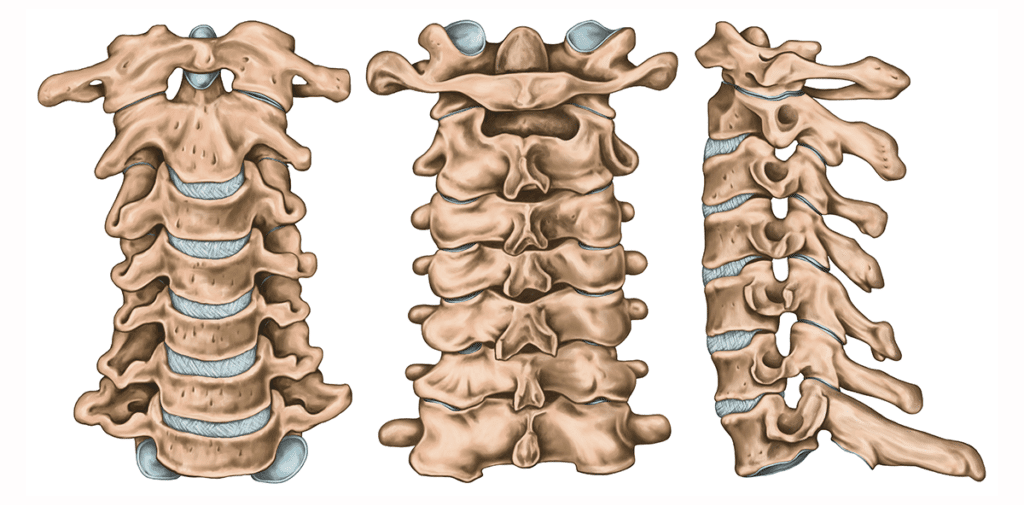
Your cervical spine (neck) includes the top seven vertebrae, along with muscles, joints, discs, and nerves that support your head and connect your brain to the rest of your body. After a concussion — especially one caused by a car crash, fall, or whiplash — this area often becomes stiff, irritated, or inflamed.
Cervical spine dysfunction means that one or more of these components isn’t functioning properly, causing pain and interference with your balance, vision, and even your ability to think clearly.
Symptoms of Cervical Spine Dysfunction After Concussion
Patients from Lee’s Summit, Parkville, Overland Park, and Liberty often come in with:
Headaches at the base of the skull
Neck pain or stiffness
Dizziness or feeling unsteady
Visual problems like blurry vision or light sensitivity
Difficulty turning the head fully
Brain fog or trouble concentrating
Fatigue made worse by sitting or computer use
Pain triggered by motion or poor posture
Many of these symptoms overlap with concussion symptoms, which is why they’re often missed unless specifically tested.
Why the Neck Matters After a Concussion
The cervical spine plays a critical role in:
Proprioception – sensing head and body position
Blood flow to the brain via the vertebral arteries
Head-eye coordination through input to the brainstem
Vestibular function – maintaining balance and orientation
Pain processing and posture control
Even if you didn’t hit your head, a whiplash injury alone can cause concussion-like symptoms by disrupting these systems.
When both are present — which is common after car accidents — they must be treated together.
How We Assess Cervical Spine Dysfunction in Our Kansas City Clinic
Dr. Lance Stevenson performs a detailed cervical evaluation that includes:
Joint mobility testing (especially C1–C3)
Muscle tension and trigger point assessment
Palpation for pain referral and sensitivity
Cervicogenic dizziness testing
Visual-vestibular-cervical integration
Postural and range-of-motion analysis
This helps us determine whether your symptoms are coming from the brain, the neck, or both.
Effective Treatment for Cervical Spine Dysfunction After Concussion
Our treatment approach is tailored for post-trauma recovery and may include:
✅ Manual therapy to restore joint motion and relieve muscle tension
✅ Targeted chiropractic adjustments (when appropriate and safe)
✅ Soft tissue therapy for trigger points and fascial restrictions
✅ Postural correction and ergonomic support
✅ Vestibular and visual rehab integration
✅ Home exercises to strengthen and stabilize the neck
We do all of this without overloading the nervous system, which is essential for patients still recovering from a concussion.
Stop Ignoring Your Neck — It Might Be the Key to Recovery
If you’ve been told to “just rest” but you're still dizzy, foggy, or in pain, your cervical spine may be the missing link. Proper diagnosis and treatment can lead to major breakthroughs in recovery.
At our Kansas City clinic, Dr. Lance Stevenson, DC helps patients from North Kansas City, Blue Springs, Shawnee, and the greater metro get real relief from post-concussion and cervical dysfunction symptoms.
Call 816-226-7476 today to schedule your full evaluation and get back on track — starting at the top: your neck.
Disclaimer: This content is for general educational purposes only and does not constitute medical or legal advice. Reading this content does not establish a doctor–patient relationship. Always consult a qualified healthcare provider for evaluation and treatment of injuries, and seek legal counsel for insurance or legal matters.
Been in an Accident? Start Here.
Call us today for a free consultation or with any questions.
Expert Personal Injury Care
Whiplash Chiropractor in Kansas City
Lance@ChiroKC.com
816-226-7476
© 2026 Lance Stevenson, DC, LLC. All rights reserved.
Disclaimer: The content provided on this page is for informational and educational purposes only and is not intended as a substitute for professional medical, legal, or insurance advice. While every effort is made to provide accurate and up-to-date information, it should not be relied upon as the sole basis for decisions regarding your health, legal matters, or insurance claims. Please consult with your healthcare provider, attorney, insurance company, or other relevant professionals for personalized guidance tailored to your specific situation.
1010 Carondelet Dr., Suite 416
Kansas City, MO 64114